
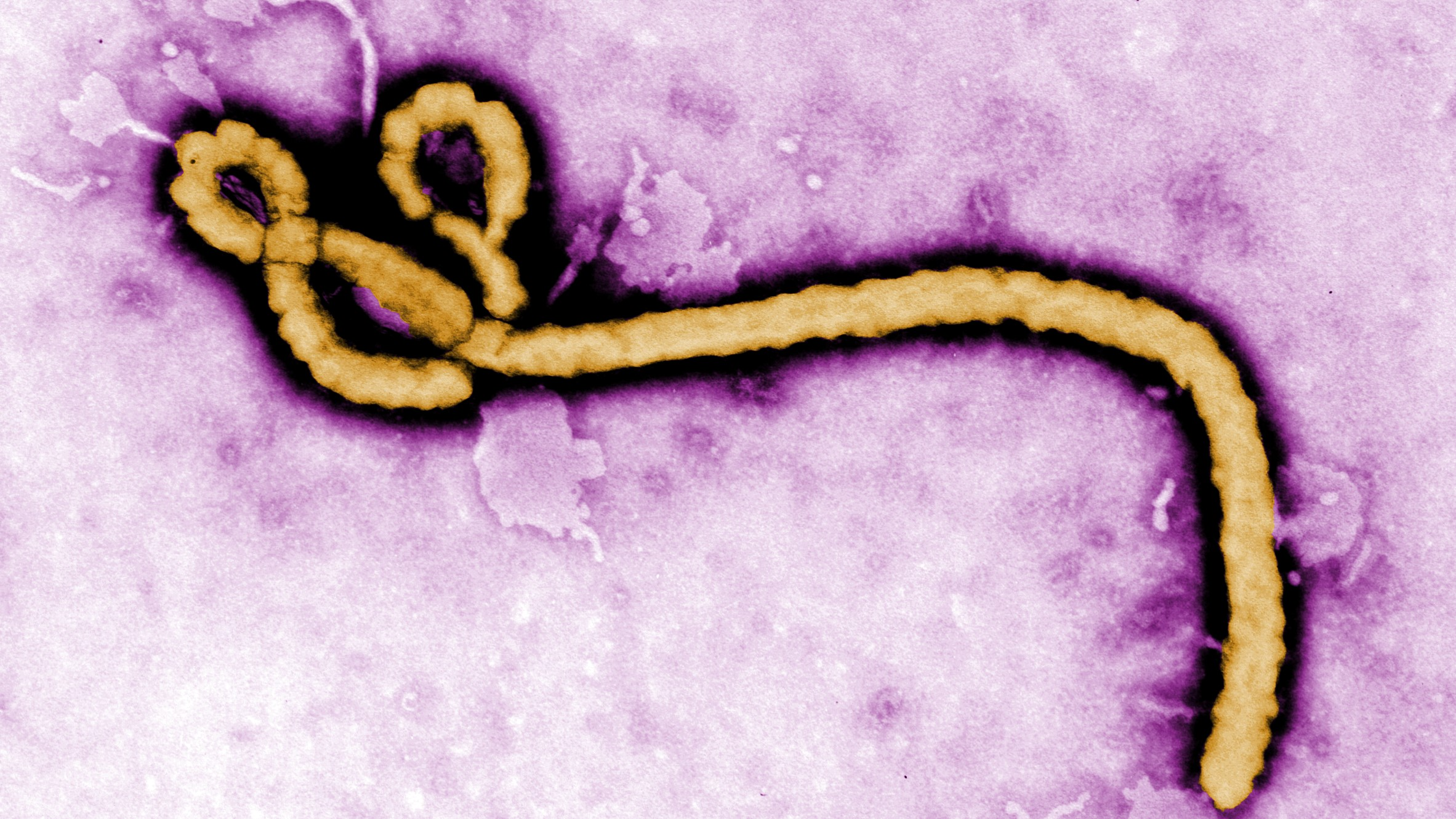
Its reappearance has made headlines since May, after reports of outbreaks in Uganda and the Democratic Republic of the Congo, another confirmed case in Kenya in October, and now a confirmed case in the Federal Capital Territory (FCT). The patient is a woman who recently arrived in Nigeria on an international flight from Uganda.
With another Ebola outbreak in Nigeria, many may already be familiar with the disease, but preventive measures must now be at the centre of awareness efforts to avoid further spread.
For this reason, TheCable Lifestyle highlights six ways Nigerians can protect themselves from Ebola.
1. Avoid contact with body fluids.
Ebola spreads through direct contact with an infected person; the blood or other body fluids of someone who is sick with, or has died from, the disease; and objects or surfaces contaminated with these fluids, such as blood, faeces and vomit.
It is therefore very important to avoid contact with the body fluids of people infected with Ebola. This includes semen, as the virus can remain in the semen of someone who has recovered from the disease. Survivors should follow guidance on testing and safer sex until tests confirm the virus is no longer present in their semen.
People suspected of having Ebola should also be isolated in a designated treatment centre, where they can receive early medical care and reduce the risk of spreading the virus to others.
2. Avoid contact with wild animals and their consumption.
According to the World Health Organisation (WHO), fruit bats are considered natural hosts of the Ebola virus. The virus can spread to humans when they come into contact with the blood, secretions, organs, or other body fluids of infected animals, such as fruit bats, chimpanzees, gorillas, monkeys, forest antelopes and porcupines found sick or dead in the wild.
So, preventing the spread of Ebola includes avoiding contact with wild animals, especially those found sick or dead in the wild. It is also important to avoid eating raw meat from wild animals and to ensure that meat is properly handled and cooked before consumption.
3. Practice good hygiene.
Practicing good hygiene is also important in preventing the spread of Ebola. Regularly wash your hands with soap and water, especially after visiting public places or coming into contact with surfaces that may be contaminated. You can also use an alcohol-based hand sanitizer when soap and water are not available.
It is also important to avoid touching objects such as clothes, bedding or surfaces that may have been contaminated with the body fluids of an infected person.
4. Avoid traveling to places with high risk.
Reducing travel to affected areas is another preventive measure against the spread of Ebola. Avoid traveling to places experiencing an Ebola outbreak, as prevention is better than cure.
5. Wear personal protective equipment when caring for someone with Ebola
People caring for someone suspected or confirmed to have Ebola should wear appropriate personal protective equipment (PPE), including gloves, protective gowns, masks and eye protection, as recommended by health professionals. This helps reduce the risk of infection when handling the person’s body fluids or contaminated items such as clothes and bedding.
If you suspect someone has Ebola, contact health authorities for guidance rather than attempting to care for them without the necessary training and protective equipment.
6. Monitor your health and watch for symptoms.
Monitoring your health is very important, especially if you have travelled to an area experiencing an Ebola outbreak or may have come into contact with an infected person. Symptoms of Ebola include fever, fatigue, muscle pain, headache, sore throat, vomiting, diarrhoea and unexplained bleeding.
If you develop any of these symptoms after a possible exposure, seek medical attention immediately and inform health professionals about your travel history or possible contact with an infected person. Avoid contact with others while waiting for medical guidance to reduce the risk of spreading the virus.
According to the WHO, Ebola symptoms can appear within 2 to 21 days after infection. Anyone who may have been exposed to the virus should monitor their health during this period and seek medical attention if symptoms develop.
There is no need to panic, but it is important to take the necessary precautions.
